TikTok Ads vs Google Ads: Key Differences for Advertisers
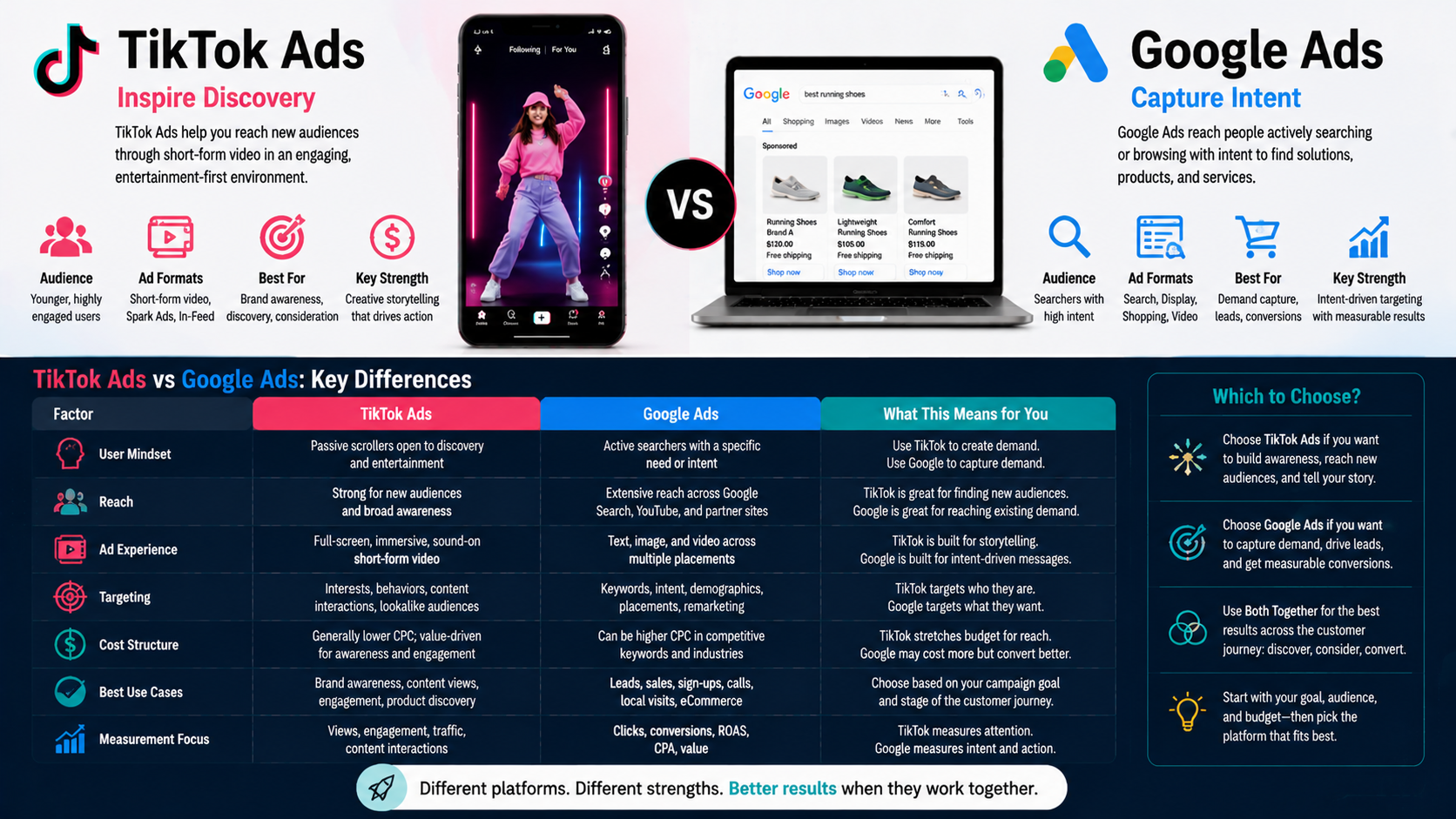
Digital advertising offers multiple platforms to reach your target audience, but TikTok Ads and Google Ads serve different purposes and audiences. Understanding the key differences can help advertisers choose the right platform or mix for their campaigns.
1. Audience and Platform Nature
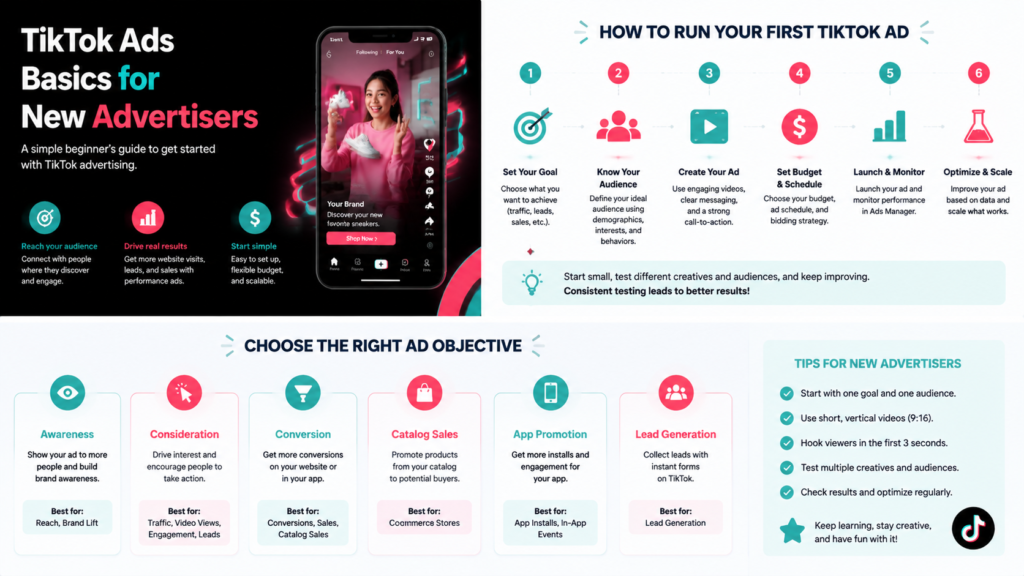
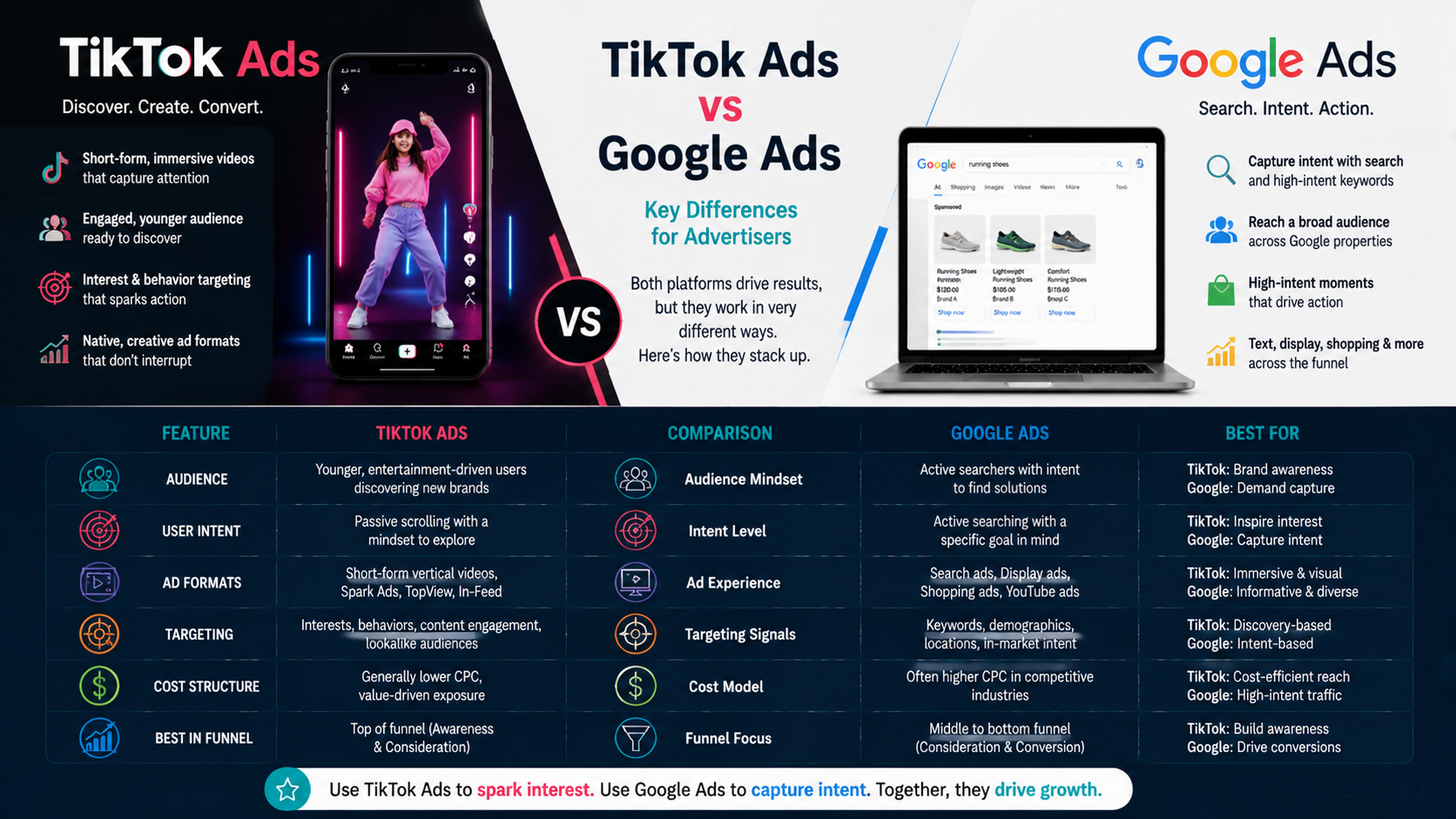
TikTok Ads: Primarily a social media platform with a younger demographic, TikTok focuses on engagement through entertaining, short-form videos. It’s ideal for brand awareness, viral content, and influencer-driven campaigns.
Google Ads: A search engine advertising platform with a broad audience, Google Ads allows targeting based on search intent, keywords, and online behavior. It works well for performance-driven campaigns and direct conversions.
2. Ad Formats
TikTok Ads: Includes in-feed videos, branded content, spark ads, and TopView ads. Creativity and entertainment are central, and video length is short to match platform consumption habits.
Google Ads: Offers search ads, display banners, YouTube video ads, shopping ads, and app promotion. These formats target users at different stages of the purchase funnel, from awareness to conversion.
3. Targeting Options
TikTok Ads: Allows demographic, interest, behavioral targeting, and lookalike audiences. It emphasizes engagement and audience interest within the app’s social environment.
Google Ads: Uses keyword targeting, search intent, audience segments, location, device, and remarketing. Google’s targeting is more intent-driven rather than purely social or interest-based.
4. Campaign Goals
TikTok Ads: Excels at brand awareness, engagement, app installs, and social influence. Campaigns are designed to capture attention and generate buzz.
Google Ads: Focuses on direct response, conversions, website traffic, lead generation, and sales. Campaigns are designed for performance and measurable ROI.
5. Cost and Bidding
TikTok Ads: Cost per impression (CPM) or cost per click (CPC) may vary depending on creative performance and competition. TikTok campaigns often require engaging content to optimize spend efficiency.
Google Ads: Bidding is based on keywords or placements, with CPC, CPM, or cost per acquisition (CPA). Budgeting can be tightly controlled by targeting specific searches or audiences.
6. Measurement and Analytics
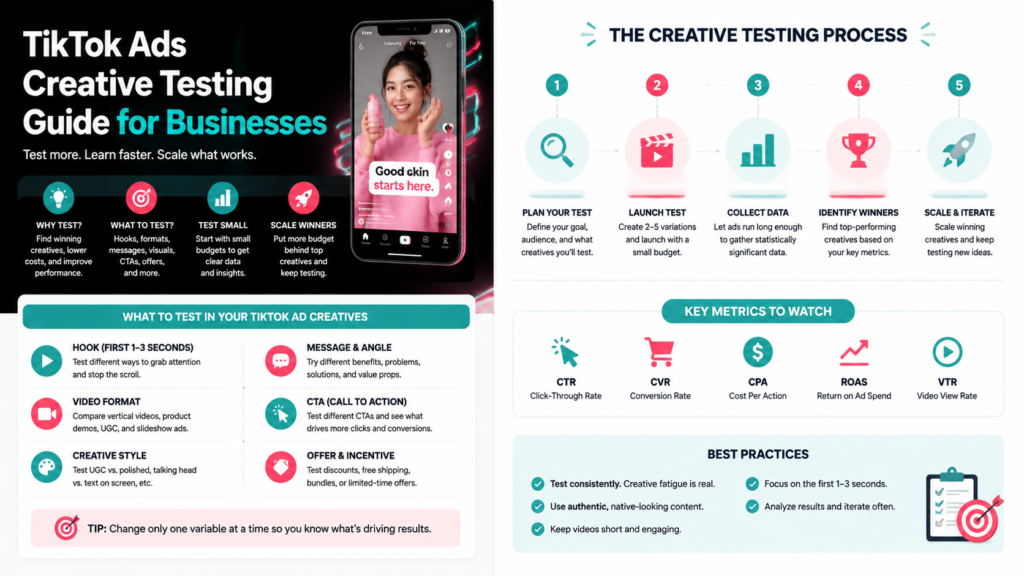
TikTok Ads: Provides analytics on engagement, video views, clicks, and conversions. TikTok Pixel can track website actions and retarget audiences within the app.
Google Ads: Offers detailed reporting on impressions, clicks, conversions, search queries, and ROI metrics. Integration with Google Analytics provides additional insights.
Checklist for Choosing the Right Platform
- Identify campaign goals: brand awareness vs direct conversions
- Analyze target audience demographics and behaviors
- Assess content readiness for video or text-based formats
- Consider budget, bidding strategy, and cost efficiency
- Plan measurement and tracking setup for ROI analysis
FAQs
Can TikTok Ads and Google Ads be used together?
Yes, advertisers can run multi-channel campaigns leveraging TikTok for brand engagement and Google Ads for search-driven conversions.
Which platform is better for small businesses?
It depends on goals. TikTok is ideal for creative brand-building campaigns, while Google Ads can deliver immediate leads or sales based on search intent.
Do both platforms require tracking setup?
Yes, TikTok Pixel for TikTok Ads and Google Tag/Analytics for Google Ads are recommended to measure performance accurately.
Final Thoughts
Choosing between TikTok Ads and Google Ads depends on your campaign objectives, audience, and content readiness. Both platforms offer unique advantages, and understanding their differences helps advertisers allocate budgets effectively and optimize performance. Explore Growifylab resources for tips on leveraging multi-platform advertising strategies to maximize ROI.